

Automatic Passenger Counting
Service Overview
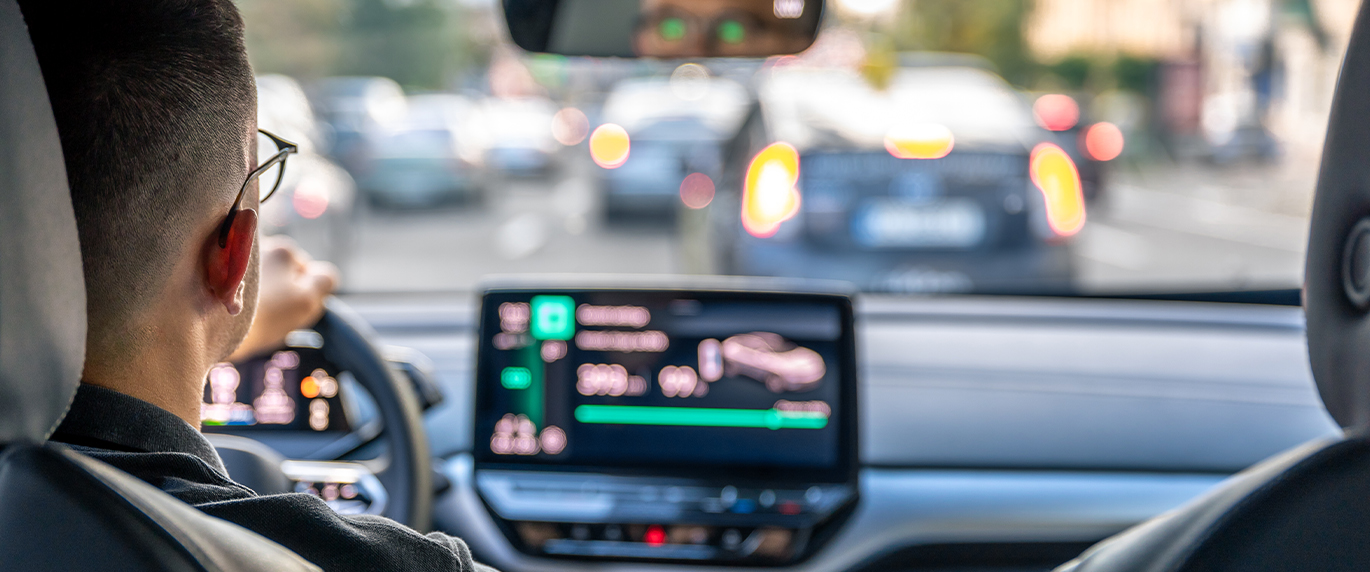
Driver Assistance Systems utilize advanced technologies such as collision avoidance, lane-keeping assist, and adaptive cruise control to enhance road safety. These systems support drivers by helping them maintain safe driving conditions and avoid accidents. With these features, vehicles are equipped to respond to potential hazards, ensuring a safer journey for everyone on the road.
Key Features
With technologies like collision avoidance and lane-keeping assist, Driver Assistance Systems actively work to prevent accidents. These systems monitor the environment around the vehicle and take necessary actions to mitigate risks, such as automatically braking or steering to avoid collisions. This smart technology ensures that drivers have extra support in maintaining road safety.
Driver Assistance Systems provide drivers with real-time alerts and feedback on road conditions, vehicle performance, and possible dangers. This continuous support allows drivers to stay aware of their surroundings and react to changing situations. By offering immediate feedback, the system helps to improve overall driving efficiency and safety.
Driver Assistance Systems not only enhance safety but also improve driving efficiency. Features like adaptive cruise control allow vehicles to maintain optimal speed and spacing on highways, reducing driver fatigue and improving fuel efficiency. The system ensures smoother driving, fewer sudden stops, and better overall vehicle performance.
Safety Technologies
Equip vehicles with advanced systems to prevent accidents.
Driver Support
Provide real-time feedback for safer and efficient driving.
Accident Prevention
Avoid collisions with smart, proactive driving assistance features.
Enhanced Efficiency
Improve driving comfort and fuel efficiency with smart controls.


FAQ
Common Questions
Find answers to common questions about our AVL services.
1. How do Driver Assistance Systems improve road safety?
Driver Assistance Systems use features like collision avoidance and lane-keeping assist to help drivers maintain safe driving conditions and avoid accidents. These technologies monitor the environment and provide real-time alerts, supporting drivers in critical situations.
2. Can Driver Assistance Systems reduce driver fatigue?
Yes, systems like adaptive cruise control help reduce driver fatigue by automatically adjusting the vehicle's speed and maintaining a safe distance from other cars. This reduces the need for constant adjustments, allowing drivers to focus on the road more comfortably.
3. What are the key technologies in Driver Assistance Systems?
Key technologies include collision avoidance, lane-keeping assist, and adaptive cruise control. These features provide active support to drivers by helping them avoid accidents and maintain safe driving practices, improving overall road safety.
4. Do Driver Assistance Systems improve fuel efficiency?
Yes, by optimizing driving conditions and reducing sudden stops, systems like adaptive cruise control help improve fuel efficiency. The smoother driving experience not only enhances safety but also leads to better vehicle performance and lower fuel consumption.