



Vehicle Health Monitoring
Service Overview
Our vehicle health monitoring system utilizes predictive analytics to anticipate maintenance needs before they escalate into costly repairs or breakdowns. By identifying potential issues early, this system ensures that vehicles stay in top condition, reducing unexpected service interruptions. This proactive approach improves vehicle reliability, keeping your transit operations running smoothly.
Key Features
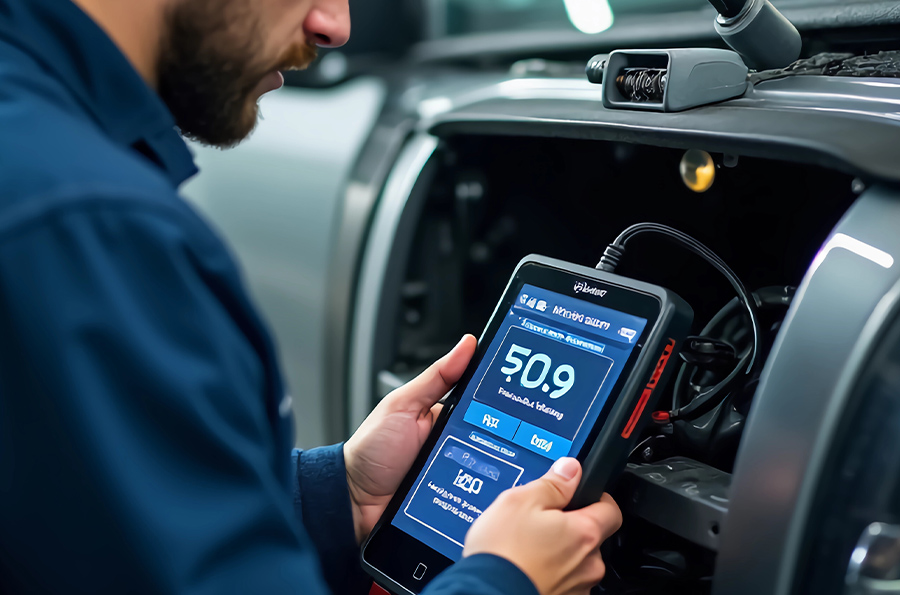
Our vehicle health monitoring system provides real-time diagnostics, allowing operators to track vehicle performance as it happens. Immediate alerts are generated when any issue arises, enabling quick responses to maintain vehicle condition. This real-time insight ensures that transit operations run without disruption, providing a seamless service to passengers.
With predictive maintenance, operators can avoid unexpected vehicle breakdowns and minimize repair costs. The system continuously monitors vehicle performance and predicts when components need attention, helping to extend vehicle lifespans. This not only reduces downtime but also contributes to lower long-term maintenance expenses and increased operational efficiency.
By combining predictive maintenance and real-time diagnostics, our system optimizes the overall performance of your vehicle fleet. Operators can make informed decisions based on the data provided, ensuring that each vehicle operates at peak efficiency. This results in smoother daily operations, fewer service delays, and a more reliable transit experience for passengers.
Predictive Maintenance
Anticipate vehicle issues before they cause problems.
Real-Time Diagnostics
Monitor vehicle performance continuously
Cost Reduction
Reduce repair costs by preventing unexpected breakdowns.
Fleet Optimization
Maximize fleet efficiency with proactive vehicle health monitoring.

FAQ
Common Questions
Find answers to common questions about our AVL services.
1. How does predictive maintenance benefit vehicle fleets?
Predictive maintenance helps vehicle fleets by anticipating potential issues before they lead to breakdowns, reducing repair costs, and minimizing service disruptions. This proactive approach extends vehicle lifespan and ensures smooth transit operations.
2. Can real-time diagnostics prevent major vehicle failures?
Yes, real-time diagnostics continuously monitor vehicle performance and provide instant alerts when issues arise. This allows operators to address problems immediately, preventing major failures and ensuring that vehicles remain in optimal condition.
3. How does vehicle health monitoring reduce operational costs?
Vehicle health monitoring reduces operational costs by identifying maintenance needs early, preventing expensive repairs, and avoiding breakdowns. It ensures vehicles run efficiently, which helps lower fuel consumption and long-term maintenance expenses.
4. What impact does vehicle health monitoring have on service reliability?
Vehicle health monitoring improves service reliability by ensuring that vehicles are maintained proactively and issues are resolved in real time. This minimizes delays, reduces service disruptions, and enhances the overall transit experience for passengers.